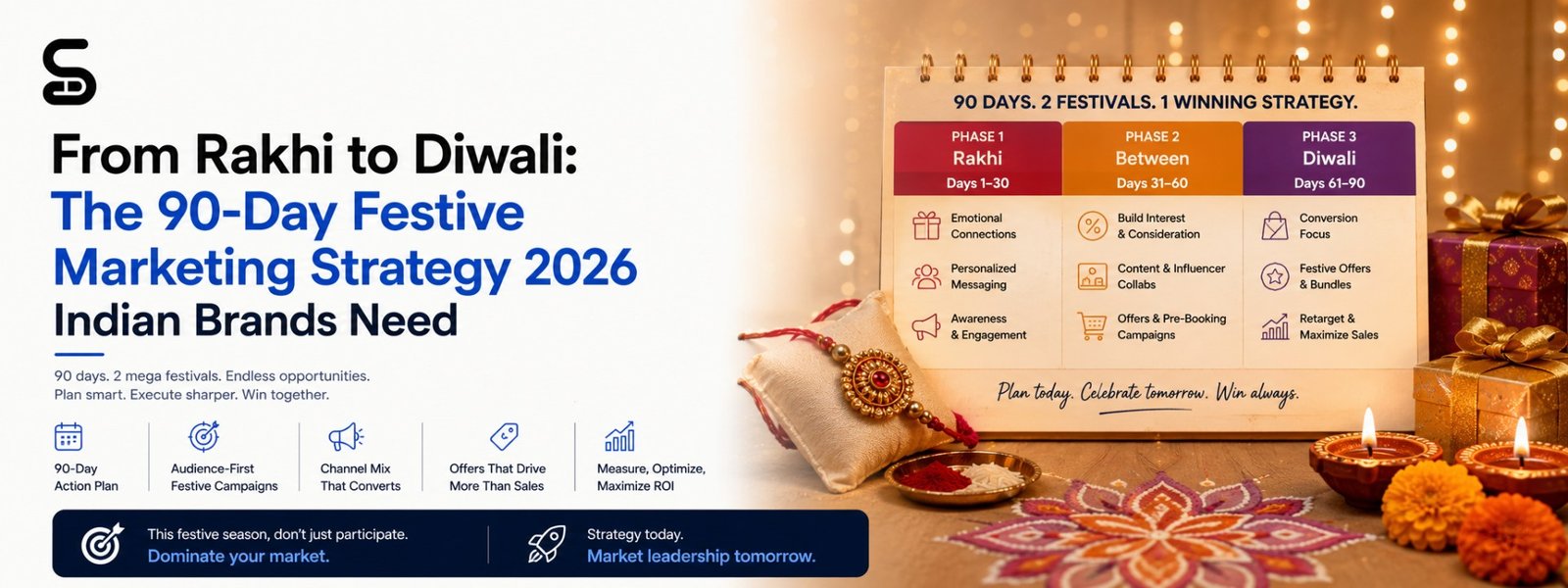

Every year, thousands of Indian retail, D2C, and B2B brands fall into the exact same trap. They wait until late September or early October—just weeks before Durga Puja and Diwali—to launch their seasonal campaigns. They throw massive budgets into Meta and Google ads, only to watch their Customer Acquisition Cost (CAC) double or triple as every competitor in India aggressively bids for the same audience.
If your festive marketing strategy India relies solely on paid ads during peak festival weeks, you are burning your profit margins.
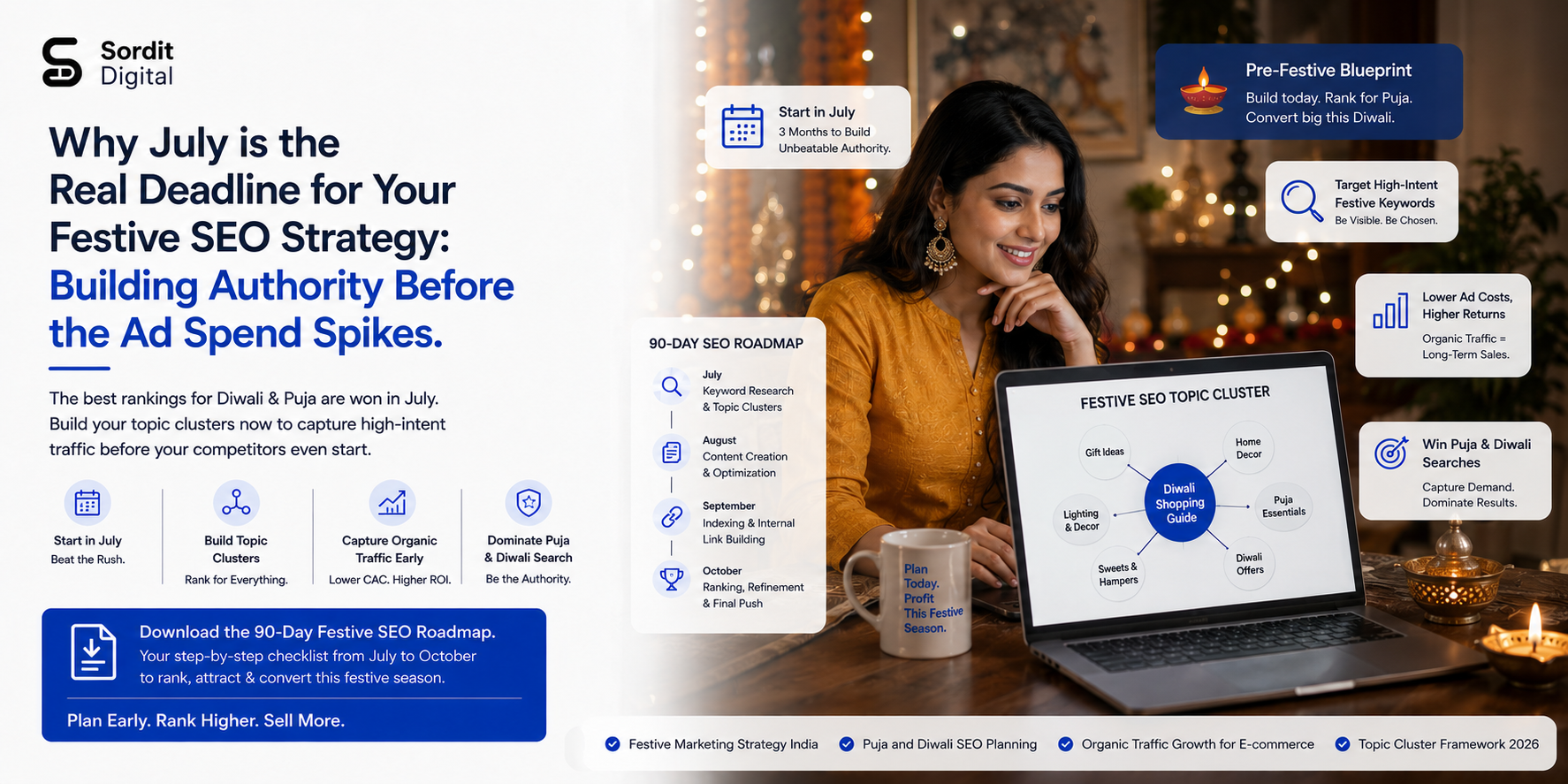
In 2026, search engine indexation cycles and AI-driven answer engines demand lead time to recognize authority. Building high-converting organic visibility takes roughly 60 to 90 days. That makes July the non-negotiable deadline to build your organic search footprint. By starting your SEO foundation today, you secure prime search real estate before the paid ad bidding wars begin.
1. The Timeline Trap: Why October is Too Late for Puja and Diwali SEO Planning
To understand why early execution matters, you must look at how modern search algorithms index seasonal content. Effective Puja and Diwali SEO planning isn’t about slapping “Diwali Offers” onto a page a week before the festival. It requires establishing topical authority that search engines trust implicitly.
The 90-Day Organic Indexing Cycle:
July: Build Topic Clusters ➔ August: Index & Gain Impression Tractions ➔ September: Pass Authority & Rank High ➔ October: Capture High-Intent Festive Traffic & Conversions
When you publish a festive landing page in July:
- Crawl Budget Priority: Search engines have time to discover, crawl, and evaluate your content structure without competing against millions of last-minute URLs submitted in October.
- User Engagement Warm-up: Your pages build early behavioral signals—clicks, dwell time, and internal link traversal—signaling relevance long before commercial search volumes hit their absolute peak.
- Cost Neutralization: When paid ad CPMs skyrocket by 200% in October, your organic search assets continue delivering zero-cost, high-intent traffic directly to your catalog.
2. Unlocking Organic Traffic Growth for E-Commerce via Topic Clusters
Modern search engines no longer evaluate isolated keywords; they evaluate comprehensive topical depth. Achieving sustainable organic traffic growth for e-commerce requires organizing your festive catalog into a clear hub-and-spoke architecture.
Instead of creating one generic “Festive Offers” page, you build a structured content network:
- The Pillar Page (The Hub): Your master destination (e.g., “The Ultimate Festive Shopping Guide 2026”).
- The Cluster Pages (The Spokes): Targeted, specific sub-pages answering distinct festive search queries (e.g., “Top Corporate Diwali Gifts for Employees,” “Traditional Festive Wear Trends for Durga Puja,” or “Home Decor Hacks for Diwali”).
- Interlinking Signals: Every cluster page links directly back to the main Pillar page using descriptive anchor text, passing internal PageRank and proving your brand is an authority across the entire festive shopping spectrum.
3. Implementing the Topic Cluster Framework 2026 for AI Search
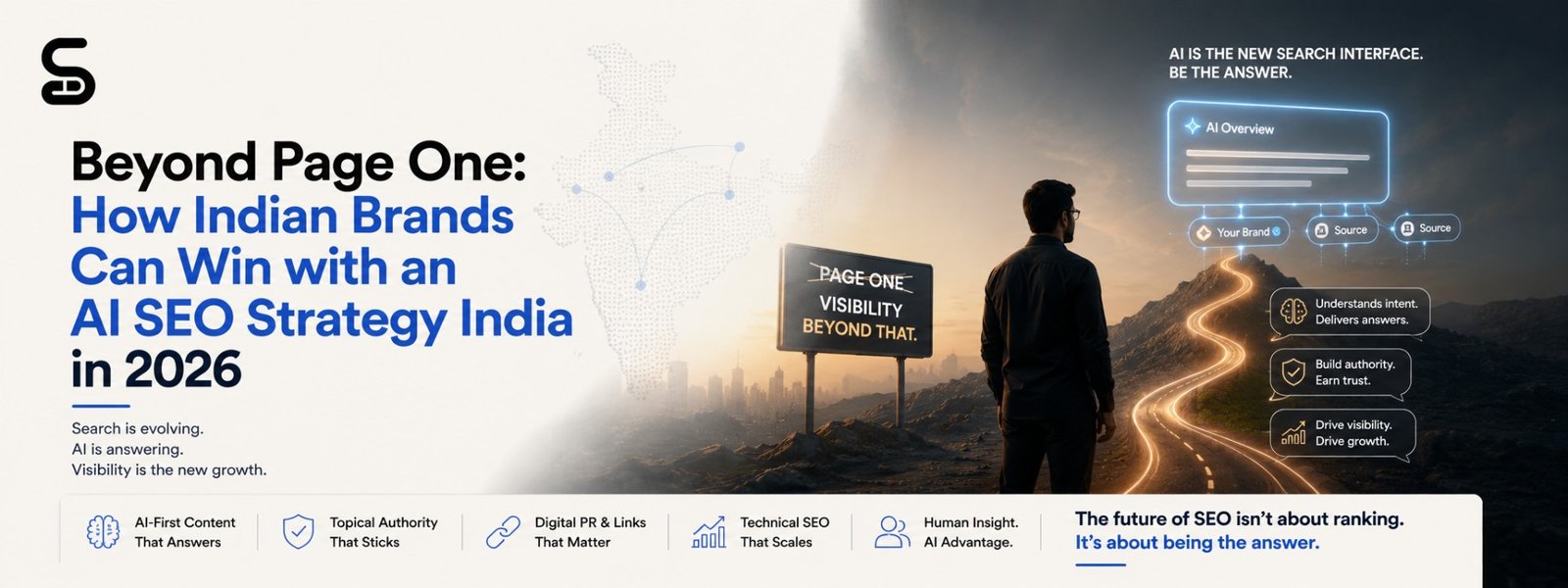
With over 50% of search queries now interacting with AI summaries and conversational answer engines, your topic cluster framework 2026 must be machine-readable. AI agents synthesize information across multiple structured pages to generate recommendations for shoppers looking for “Best places to buy authentic ethnic wear online.”
Key Optimization Steps for Your Festive Clusters:
- Schema Integration: Deploy OfferCatalog and ItemPage structured data across all cluster nodes to help AI crawlers understand pricing, stock status, and seasonal availability instantly.
- Entity Association: Connect your festive brand pages to recognized cultural entities (e.g., Durga Puja, Dhanteras, Diwali) within your JSON-LD code.
- Answer-First Content: Ensure every cluster article addresses common buyer questions—such as shipping deadlines, return policies, and gift packaging options—within the first two sentences of each section.
4. How Sordit Digital Architects Your Festive Dominance
At Sordit Digital, we don’t believe in last-minute panic campaigns. We help Indian brands build an authoritative festive marketing strategy India during the quiet summer months, ensuring that when the multi-billion-dollar festive shopping rush hits, our clients dominate both organic search results and AI-generated shopping recommendations.
By integrating technical schema, structured interlinking, and high-converting lead magnets into your July roadmap, we turn your seasonal traffic into a predictable, high-margin revenue channel.
Take Action: Contact Now
Don’t wait until ad costs double to plan your seasonal sales strategy. Get your organic content network indexed and ranking before your competitors even open their planning documents.
The 90-Day Festive SEO Roadmap
Take control of your Q3 and Q4 revenue with our chronological execution guide. This step-by-step checklist includes:
- July Publishing Schedule: What pillar pages and cluster topics to publish immediately.
- August Technical Audit Checklist: How to optimize site speed, schema markup, and internal link silos before traffic surges.
- September & October Conversion Hooks: Proven on-page CTAs and native chat triggers to convert festive search traffic into instant sales.
FAQs: Early Festive SEO Execution
Q: Is July really necessary for a festival that happens in October or November?
A: Yes. Search engines require 60 to 90 days to crawl, evaluate, and assign strong rankings to new content clusters. Publishing in July guarantees your pages reach peak authority right as consumer search volume explodes in late September.
Q: How does early SEO execution impact my paid ad campaigns?
A: Early Puja and Diwali SEO planning dramatically lowers your overall Customer Acquisition Cost (CAC). By capturing a large share of organic traffic, you reduce your dependency on expensive paid ad auctions during peak bidding weeks.
Q: Can B2B companies benefit from a festive marketing strategy in India?
A: Absolutely. B2B corporate gifting, office catering, and bulk procurement decisions are finalized by corporate HRs and procurement teams between July and August—long before the consumer shopping rush begins.
Secure Your Festive Market Share Today
Don’t let expensive ad auctions eat up your seasonal profits. Build your organic authority now and capture high-intent buyers before the ad spend spikes.
Ready to dominate organic search this festival season with a high-performing festive marketing strategy India? Explore our specialized search frameworks on the Sordit Digital Services Page, or visit our Home Page to schedule a strategic consultation with our team today.